
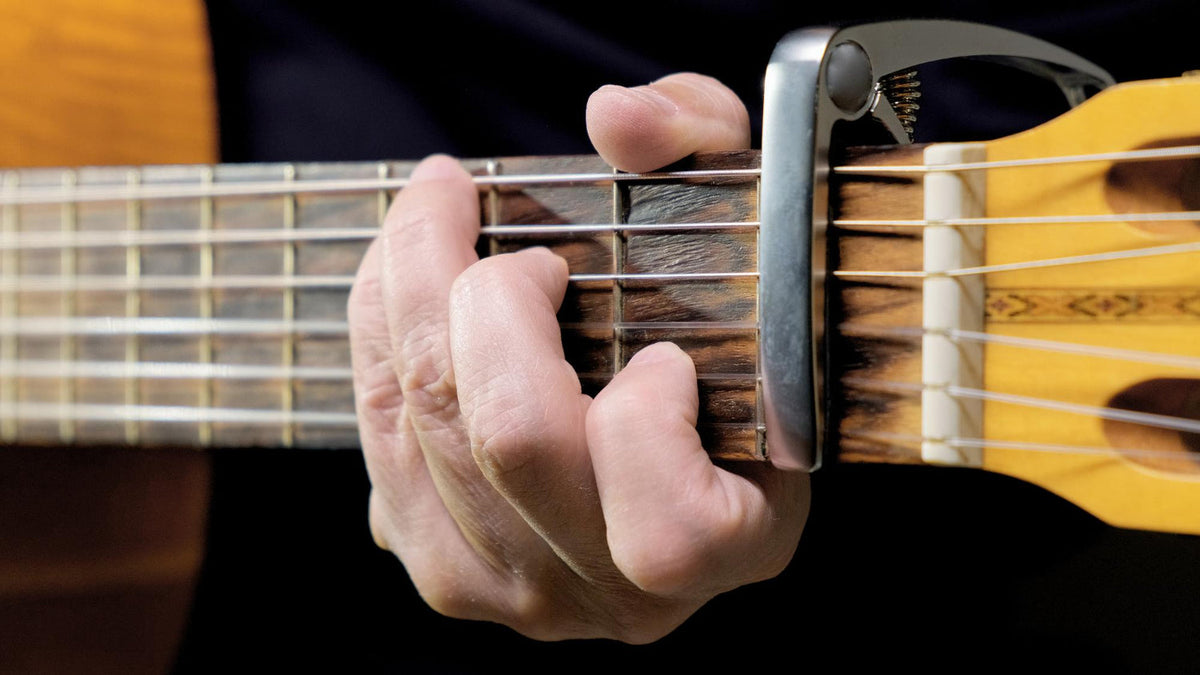
Tips for Finding an Acoustic Capo That Won’t Affect Your Tone
Finding the best acoustic capo is more than picking one that looks nice or clamps easily. If it doesn’t fit right or presses too hard, it can change the way your guitar sounds. For acoustic players, tone matters. You want each chord to sound full, clear, and natural. The wrong capo can shift things off just enough to make your notes buzz or your tuning feel off. And when cooler weather hits during October, changes in temperature and humidity can already affect your guitar’s neck and strings. A capo that fits well becomes even more important this time of year.
We’ve seen how a small tweak in pressure or shape can either preserve or ruin a solid sound. Getting the right capo is mostly about noticing where things go wrong and knowing how to avoid them. A few helpful checks can prevent tuning issues before your next session or performance. Kyser Quick-Change acoustic guitar capos are handcrafted in East Texas from lightweight, aircraft-grade aluminum using a detailed 14-step process, and they are Guaranteed for Life, so they are built to keep performing even as conditions change.
Choosing a Capo with the Right Pressure
One of the most common problems players run into is too much squeeze. A capo that grips too tightly can bend the strings just enough to throw off tuning, especially on the higher frets. On the flip side, if the capo doesn't press down hard enough, you'll hear buzzing or muted strings.
This balance matters a lot while strumming or fingerpicking. It doesn’t take much for the wrong pressure to affect your tone. To keep things sounding right, try to focus on these key points:
-
The capo should hold all your strings firmly without sharp changes in pitch
-
There should be no buzzing, especially on the outer strings
-
It should feel snug, but not like it’s fighting the guitar
When you find that just-right grip, you’ll notice it. Chords ring more clearly and transitions between frets feel smoother. A good capo will stay in tune without making you adjust how you play.
Pay Attention to Padding
That soft layer under the clamp matters more than most players think. Padding helps create even pressure across the strings. If the rubber or foam is too stiff, it can push the strings too hard. If it’s worn down, the capo may slide or press unevenly.
Look for signs of wear like flattening, cracks, or hard spots. These can mess with your tone and even damage the strings over time. A clean, smooth layer of padding helps the capo hold its place without choking the sound.
Here’s what good capo padding should do:
-
Grip the strings without pushing too deep
-
Spread pressure evenly from the high E to the low E
-
Keep your fretboard safe from dents or marks
If your open chords start to sound off or feel different, the padding might be the reason. Swapping out a capo with weak padding can make an instant difference in how clean your notes ring.
Pick a Shape That Matches Your Guitar Neck
Acoustic guitars come in all shapes, and so do their necks. Some are more round, others a bit flatter. If your capo doesn’t match that curve, it won’t press all the strings evenly. You might get sharp notes on one side and dull ones on the other.
Most players don’t think much about this until they notice trouble holding a chord in tune. But once you find a capo that matches your guitar’s neck, everything starts to play in line.
Watch out for these signs that your capo’s shape might be off:
-
Two or three strings sound sharper or duller than the rest
-
You keep needing to retune after sliding or shifting the capo
-
Press pressure feels uneven when you clamp it down
Taking a second to check how the capo fits your fretboard shape can save a lot of frustration during practice or on stage. Kyser Quick-Change acoustic models are contoured to common acoustic fingerboard radiuses so they fret all six strings cleanly without needing extra force.
Make It Easy to Move Without Losing Sound Quality
A capo isn’t something you want to slow you down. If you shift keys often or move quickly between songs, ease of use makes a big difference. Some players like the one-hand clamp design, while others prefer a sliding option. Either way, you shouldn’t have to fight it to slide it up or down the neck.
Not every capo resettles cleanly when moved. If it jolts the string tension or changes pressure between frets, your chord will sound off right away. Light touch and smooth motion keep the transitions clean.
Here are a few things to look for in a capo that moves well:
-
A clamp that opens wide without needing two hands
-
A grip that holds steady right after being moved
-
A design that doesn’t pinch or shift string position mid-use
The less you have to worry about rechecking tuning after every move, the more focus you keep on playing.
Clear Sound Every Time You Play
When your capo works with your guitar instead of against it, your tone stays stable. You don’t have to press harder or change your hand position just to make up for issues. The right mix of pressure, padding, and fit keeps everything together and sounding full.
It’s not about chasing perfection. It’s about removing small problems that pile up over time. We see it with players all the time, once your capo keeps a steady hold and matches your neck, your chords sound better and your transitions feel natural.
Fall is a smart time to check your gear. As temps get cooler and humidity shifts, your guitar may feel different. The right capo helps offset some of those small changes, keeping your tone consistent no matter the season. When your capo fits right, your playing gets easier. The fewer surprises you have to think about, the clearer your sound stays.
If your capo isn’t holding its tuning or doesn’t feel quite right on your guitar, it might be time to try something new. A well-designed tool can really clean up your sound and help your chords come through the way they should. We put care into making sure the shape, pressure, and padding all support that clean, full tone you’re after. If you're searching for the best acoustic capo, we’re here to help you find the right fit. Contact us today so we can help you play with more confidence.

Leave a comment
This site is protected by hCaptcha and the hCaptcha Privacy Policy and Terms of Service apply.