
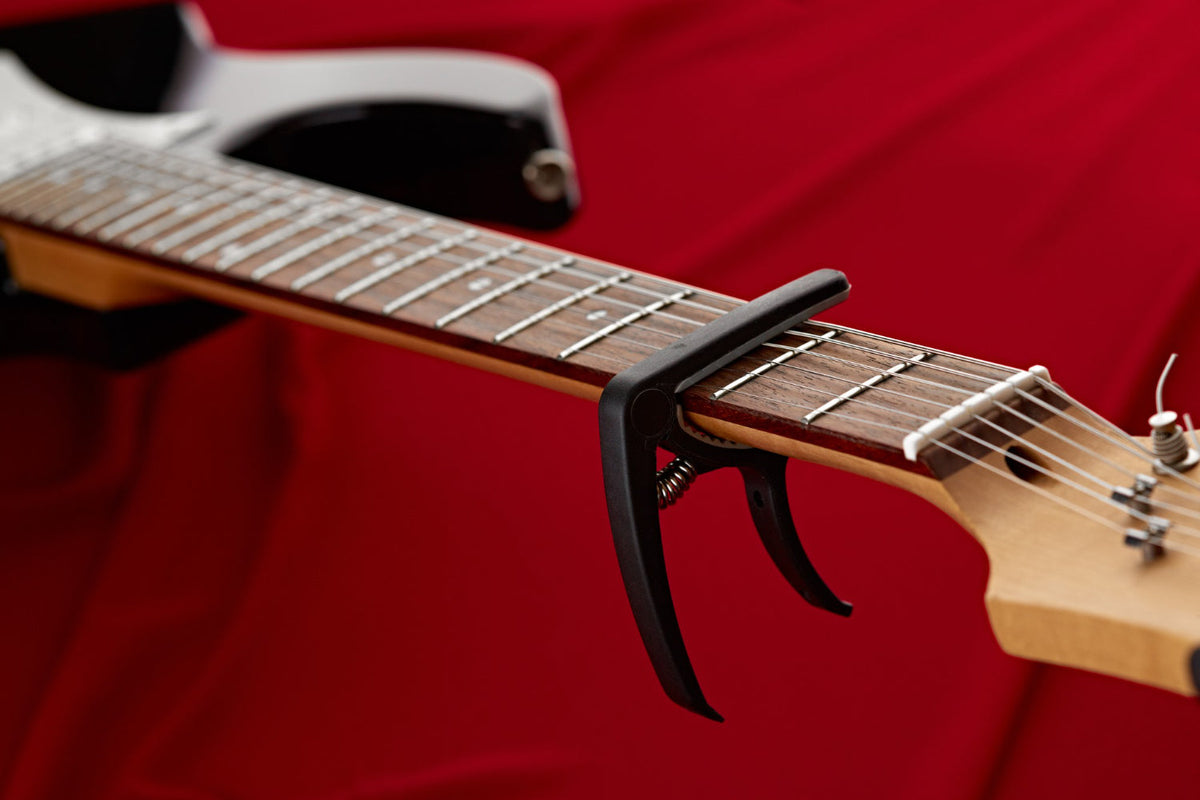
Understanding Electric Capos That Don’t Crash Into Pickups
If you've ever played electric guitar with a capo that didn’t quite fit, you know the frustration. Sometimes they slip. Other times, they press unevenly. And for many players, the worst part is when the capo actually bumps into the pickups. That one design flaw can mess with your tone, feel awkward while fretting, and take you right out of the zone.
Our gear should help, not get in the way. That’s why more players are paying attention to electric guitar capo designs that avoid the common pickup clash. Getting this small detail right makes a big difference in how smooth everything feels when you move up the neck. This is especially true during the busy fall gig season when setups need to stay quick and consistent.
What Makes Pickups and Capos Clash
Most electric guitars use pickups to amplify sound from the strings. These pickups sit on the body, usually just under the strings or slightly off to one side. Depending on the guitar, some have taller pickups, closer together or spread wide. That tight layout can get tricky when adding extra gear across the neck.
Some capos don’t leave much wiggle room. If the capo is built a little too wide, or the arms drop too far down, they can run into the top of the pickup. That turns the whole setup wobbly. The capo may not clamp cleanly or might rest at an angle.
Here’s what can happen when capos crash into pickups:
-
The capo sits unevenly and throws the tuning off
-
You get weak sound on one or two strings
-
The capo pinches too hard on one side or feels loose on the other
-
It makes sliding the capo between frets a hassle
This kind of contact can be frustrating, especially if your guitar has a more delicate pickup setup.
How a Low-Profile Capo Fixes the Problem
Luckily, not all capos are built the same. Some are made with a low profile in mind, keeping the frame tight, the grip narrow, and extra space free. These kinds of capos make it easier to play your electric without anything brushing against the pickups.
What separates a low-profile design from others? It usually comes down to better balance and pressure. These capos clamp from the side using smaller arms or slimmer coverings. They avoid bulky grips that reach too far down. That means they sit closer to the fretboard while staying fully clear of any electronics below.
When the shape is compact and the spring tension is even, you get better results:
-
No contact with pickups or knobs
-
Strings are held with the same strength across the neck
-
Less need for mid-song adjustments
That clean fit helps get natural tone through the amp and keeps extra buzzing or unwanted noise out of the way.
What to Look for When Choosing One
If you're looking for a capo that skips all the pickup trouble, a few signs can guide your pick. Not every electric guitar has the same neck thickness or curve, so it's good to check how a capo feels when it’s locked down.
Here are a few things to consider when trying out a new capo:
-
See how the capo hugs the neck. It should feel balanced, not pressed harder on one side.
-
Slide it between frets to make sure it moves without catching on anything.
-
Watch where the sides land. If anything touches the pickup casings, it may be too big for that guitar.
A well-fitted electric guitar capo should sit firmly without needing to be muscled into place. You want smooth clamping, quick movement, and no extra strain across the strings. A snug fit gives more control and protects string tone from warping.
If it’s hard to tell just by holding it, try testing it across different frets. If the notes sound clean and the clamp doesn’t shift as you move higher up the neck, you’re probably on the right track.
Why Support Matters for Capo Choice
Not every capo fits every guitar. And when something feels off, it can be hard to tell if it's the capo or the guitar setup. That’s why support can go a long way. When we're unsure about fit or tension, getting professional advice helps avoid buying the wrong thing or making tweaks that don’t solve the issue.
There are times when a capo may feel tight but still miss the mark. If it clamps too hard or throws things out of tune, it’s worth checking if the design just doesn’t match that guitar’s neck. Sometimes a different profile, curve, or size changes everything.
Asking someone who knows electric gear well can save a lot of back and forth. The clamp should feel easy, the tone should stay stable, and the capo should stay away from pickups altogether. When one of those things is off, it usually shows up fast. Instead of making random changes or forcing gear to fit, it's better to check in and get a clear opinion from someone who’s handled this kind of setup before.
Play Clean with the Right Capo
Pickups and capos can work together, but only if you pay attention to how they meet on the neck. Designs that keep from crashing into the body deliver smoother play, easier switches between frets, and more freedom on stage. Especially during busy fall schedules, having something reliable in your case cuts down on setup stress.
With the right electric guitar capo, your sound stays clear and your fretboard stays open. There isn’t any tugging, wobbling, or second-guessing where it sits. That small kind of change can make a few hours of playing feel way more enjoyable. The better the fit, the more you can focus on your sound, not your gear.
Tired of dealing with gear that doesn’t fit or play the way you want? We make the switch easy with designs that offer a clean tone, effortless fret changes, and a comfortable grip. Discover how an electric guitar capo can complement your pickups and enhance your sound. At Kyser Capos, we care about how your gear feels in your hand and performs through your amp. Have questions about capo fit or guitar setup? Reach out to us for expert help.

Leave a comment
This site is protected by hCaptcha and the hCaptcha Privacy Policy and Terms of Service apply.