
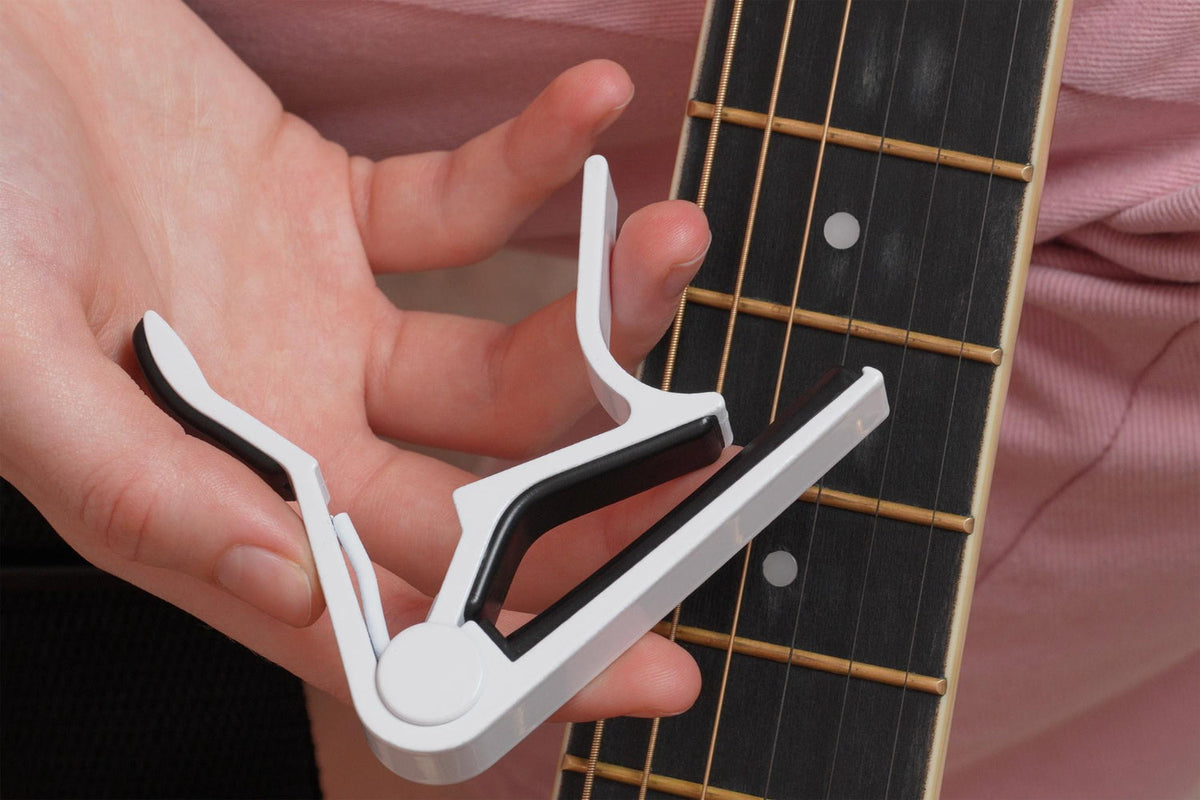
Why Capo Fit Can Get Tricky With Weather Changes
Sometimes your capo feels like it hits just right. Everything sounds clean, the pressure’s perfect, and your chords ring out exactly how they should. Other times, without changing anything, it just doesn’t sit right. Maybe you hear one or two strings buzz, or the tuning seems off, even though you just adjusted everything.
That’s usually when heat or humidity has come into play. Weather can throw your guitar setup off in ways that aren’t obvious at first. Many players will focus on getting the best gear, often weighing options based on features or even checking things like guitar capo price, but what’s often overlooked is how much the environment can shift gear performance, even when that gear looks perfectly fine.
Why Weather Can Affect String Tension
As temperatures rise, so does the chance of trouble with string tension. Hot air can cause strings to stretch slightly. Humidity adds another layer, since moisture makes strings take in just enough change that they respond differently under pressure.
When those tiny shifts happen, your capo may not hold the strings as cleanly. The pressure might feel uneven across the neck, especially on thicker or paired strings. This can lead to certain notes sounding sharp, dull, or even muted.
Humidity tends to loosen the feel of the strings, while high heat can tighten them more than usual. Either way, if your capo was working well during a cooler month and now sounds a little off in the summer, it might not be broken, it could just be reacting to the string tension changing under your fingertips.
What Happens to Your Neck and Frets in the Heat
Wood doesn’t stay still under changing conditions. When it’s warm and humid, the neck of your guitar can swell just enough to change how things play. It’s pretty subtle, you won’t always see these shifts, but your capo will feel the difference the second it clamps down.
A little swelling in the neck or fretboard pushes the capo into a slightly new angle or height, and that changes the results. It might press harder on one side or need more adjusting just to sound clean again. Even small shifts in where the contact pressure lands can mess with how the strings ring out.
Capos that held great before might need to be moved slightly or rechecked more often. Sometimes they’ll feel tighter, other times not tight enough. Neither is your fault and neither is a sign of poor gear, it’s just what happens when materials change shape with the weather.
Why Setup and Capo Match Matter More in Summer
Most players find that summer is when their setup gets tested the most. Days can go from cool in the morning to full steam by afternoon. Your guitar and capo both react to those changes, and unless they’re paired up well, you might start noticing things go off balance quicker than usual.
Not every capo fits every guitar neck perfectly, and once you throw summer weather into the mix, those differences become more obvious. What worked indoors during spring might need more checking during outdoor summer gigs or long play sessions on the porch.
We have seen how even tiny changes, like the thickness of padding or how curved the fretboard is, can change how a capo grabs onto a guitar. That match between your setup and your capo always matters, but you will feel it most when everything starts to warm up.
Things to Listen For That Might Signal a Capo Problem
If your capo isn’t quite doing its job the way it used to, you will probably hear signs before you see anything. These are some of the big ones to keep an ear out for:
-
Strings buzzing where they didn’t before, especially in the low end
-
Notes that sound sharp in capoed chords even though open chords are fine
-
A sudden drop in tone or clarity once the capo is added
-
Difficulty moving frets without needing to retune
Another clue comes when you switch between open playing and using a capo. If the tones sound clean and balanced without it but start to sound uneven with it, that might mean it is pressing down too hard, or not hard enough, thanks to changed tension or neck shape.
Regular review of your instrument conditions can make a noticeable difference. Taking a moment after adjusting your capo to listen carefully to every string can reveal subtle shifts caused by temperature and moisture. Such attention to detail not only preserves the quality of your sound but also builds a habit that enhances your overall musical performance. This period of reflection ensures that your setup remains both responsive and reliable during everchanging weather conditions.
Keep Your Sound Strong Through Shifting Seasons
Changing weather plays a bigger part in sound than most people expect. From sharp frets to tight strings and buzzing notes, even the best fitted capo can start acting up when it is hot, humid, or both.
It is not just about guitar capo price or brand, either. How the capo fits your guitar in that season matters more than you might think. Staying tuned into these small changes, listening for trouble spots, and checking the feel regularly can go a long way in helping your sound stay clear through every summer set.
When your capo starts feeling different as the weather changes, it is smart to consider how it is built and how it works with your setup. Many players focus on features or compare the right guitar capo price, but fit and feel are just as important, especially when summer brings extra humidity. Achieving the right balance of tension and tone can be tough if your gear is not up to the task, which is why having reliable tools makes every chord sound its best. At Kyser Capos, we are committed to making sure your gear keeps pace with your playing. Need support choosing the ideal capo for your guitar? Reach out to us today.

Leave a comment
This site is protected by hCaptcha and the hCaptcha Privacy Policy and Terms of Service apply.